
Grief can start long before goodbye. Whether your dog or cat is seriously ill or has already died, you don't have to carry it alone. Everything on this page can be reached by phone or online.
If grief ever feels like too much, or you are thinking about hurting yourself, please reach out now. These crisis lines are open 24 hours a day. In the US, call or text 988 to reach the Suicide & Crisis Lifeline. In Canada, call or text 9-8-8 to reach the Suicide Crisis Helpline. In the UK and Ireland, call 116 123 to reach Samaritans. In Australia, call 13 11 14 or text 0477 13 11 14 to reach Lifeline. Anywhere else, find a line in your country.
This guide is split into four stages, from a new diagnosis to life after a loss. Click a stage below to see information and support for that time. Buttons at the end of each stage take you to the next or previous one.
1 Stage One
Hearing that your pet has had a stroke, or has a serious illness, can bring a wave of fear and sadness. Many people start to grieve right away, even while their pet is still here and still themselves.
These groups welcome people grieving a pet who is still alive.
A small video group with a professional grief coach, for pet parents facing a loss that hasn't happened yet.
First Thursday of each month, 8 to 10 p.m. Eastern. You'll need an account.
Led by a licensed clinical social worker. Open to people expecting a loss.
A YouTube video series by Natalie Malkut, RVT, a registered veterinary technician in Loveland, Colorado, supporting pet parents through a pet's illness and loss.
From Jordan
“He's still with me, but the grief is already here.”
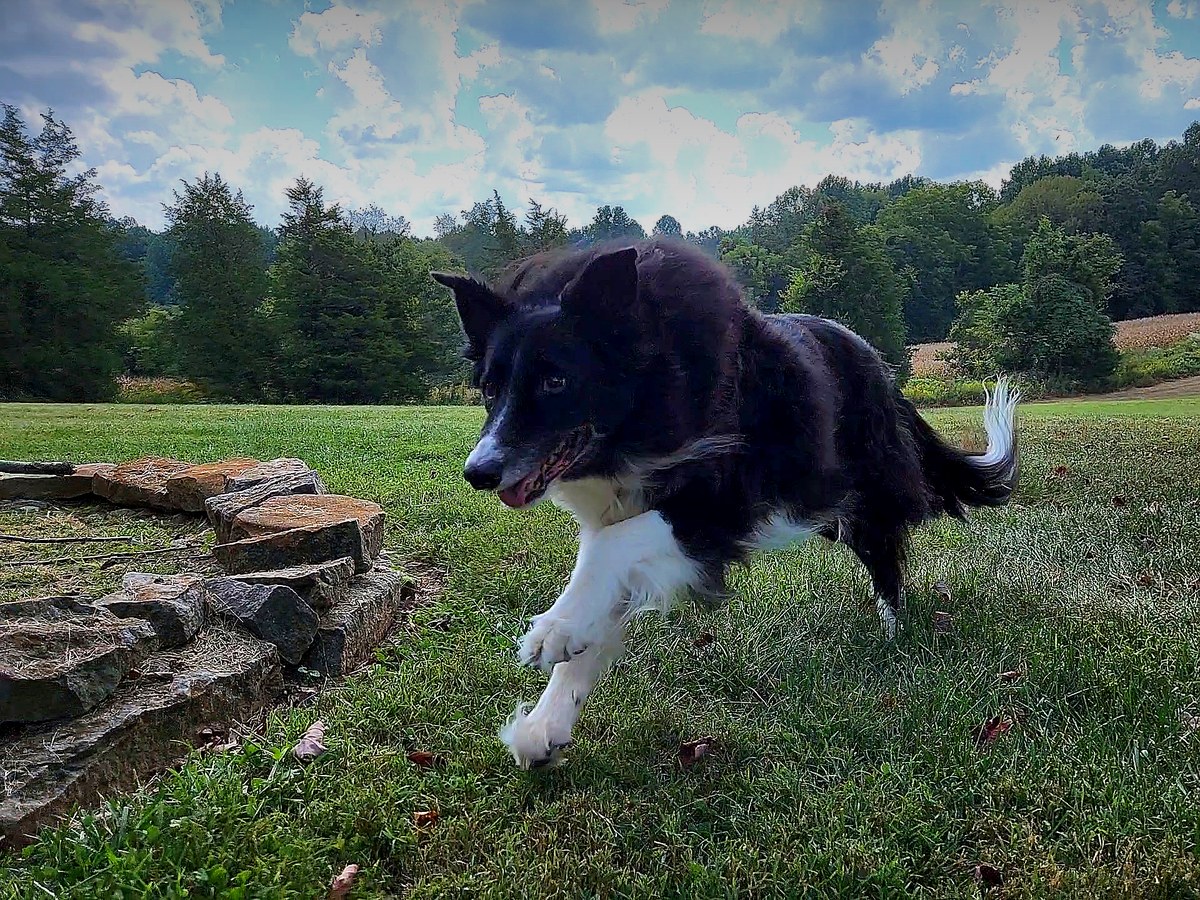
I didn't have a name for what I felt the first time Finley had a stroke. He's my Border Collie, and he's had three now. Between the diagnoses, the recoveries, and not knowing if there would be another, I found myself missing things about him while he was still right there with me. I miss him herding cats. I miss him trying to convince trees to drop squirrels. I miss him running. He's still with me, but the grief is already here.
If you've felt this and didn't know what to call it, you're not imagining it, and you're not alone in it.
2 Stage Two
Some pets recover well. Others live with lasting changes, or with an illness that won't go away. It's normal to feel hope and grief at the same time.
A quality of life scale helps you and your vet notice changes over time. A widely used one is the HHHHHMM scale by veterinary oncologist Dr. Alice Villalobos. Score each area from 0 to 10, where 10 is ideal:
A low mobility score doesn't mean a poor life on its own. Dr. Villalobos notes that a pet who has lost a leg or has trouble getting around can still be alert and happy, with a very good quality of life, when the family helps with things like ramps, a harness, a cart, braces, or rehab.
A total over 35 suggests an acceptable quality of life. Few of these tools have been formally tested, so use them with your vet, not instead of your vet. CodaPet has a five-minute version for dogs and cats.
Our directory of vets who come to you. Tags show who offers hospice and euthanasia at home.
Links to hospice provider directories. Call to confirm a provider still serves your area.
A directory of vets and vet teams with extra training in caring for older dogs. Search by ZIP code.
The Animal Hospice, End of Life, and Palliative Care Project offers online pet hospice coaching, free guides like questions to ask your veterinary team, and a private online community for caregivers.
From Jordan
“A wobbly walk is not a quality of life score.”
People ask me often how Finley is really doing. “Is he in pain?” “Are you sure his quality of life is okay?” I hear some version of these questions all the time, usually from people who've seen him walking. His strokes left him with something called a cerebellar gait: swaying, wobbly, sometimes stumbling. To a lot of people, he looks like he's dealing with bad arthritis pain. It's understandable that it looks terrible if you don't know what's causing it.
A wobbly walk is not a quality of life score. Whether Finley is eating well, staying engaged, wanting affection, sleeping normally, and feeling calm instead of afraid: those are the things that actually tell me how he's doing, and he's doing great!
3 Stage Three
Choosing euthanasia is one of the hardest decisions a pet parent can make. There is rarely one perfect day. Thinking it through ahead of time leaves room for the goodbye you want.
Whether, when, where, and by whom is your decision. Some pet parents later feel guilt about the timing or setting, so talking with your vet early gives you time to think it through.
These networks send a vet to your home in many parts of the US. Local options are in our mobile vet directory.
Hospice, quality of life visits, and euthanasia at home, plus the most grief support of the three.
Euthanasia at home nationwide, with a ZIP code search.
Euthanasia at home for dogs and cats, plus guides on anticipatory grief and guilt.
From Jordan
“Considering euthanasia doesn't mean you've given up. It means you're paying attention to what is best for your pet.”
When is it time?
It's the question every pet caregiver dreads. Lately, it's one I ask myself more often.
What helped me most was answering a handful of specific questions instead of one impossible one. One bad day can feel like the answer, but tracking QOL across weeks shows you what's really happening.
A score is not a verdict. It's a starting point for an honest conversation with your veterinary team, not a substitute for one.
Considering euthanasia doesn't mean you've given up. It means you're paying attention to what is best for your pet.
4 Stage Four
The house can feel very quiet, and some people may not understand how much it hurts. Your grief is real, and there is no right amount of time for it.
Volunteers answer by phone Monday to Thursday evenings, Eastern time. Leave a voicemail any time and they will call back.
Veterinary students trained by grief counselors answer by phone. Hours change by season.
A UK charity with trained volunteers by phone, webchat, and email, every day.
Paws to Listen, a UK phone line for anyone grieving a cat, including while preparing to say goodbye. Weekdays.
Video groups several times a week, led by their pet loss support team. There is also a group for cat parents.
Text chat rooms with trained volunteers several evenings a week. You'll need an account.
A volunteer-run community with a chat room, forums, and a Monday night candle ceremony.
A video group led by a licensed clinical social worker, about twice a month.
A monthly video group. Join at any point.
A YouTube video series by Natalie Malkut, RVT, a registered veterinary technician in Loveland, Colorado, supporting pet parents through a pet's illness and loss.
A list of pet loss counselors. Filter for online sessions.
Professionals with a certification in pet loss grief support.
A US directory of pet loss grief counselors. Browse by state.
"PLGS" and "PGSS-C" are training credentials in pet loss grief, not licenses. For therapy, look for a licensed counselor, psychologist, or social worker. A veterinary social worker is a social worker with extra training in the bond between people and their animals. If you want therapy, ask whether they are licensed in your state.
Hours and schedules change, so check each website before you count on it. The Canine Stroke Foundation does not run, endorse, or guarantee any service listed here. Know a resource we're missing, or one that has changed? Email us.